





Listed in Other Assets
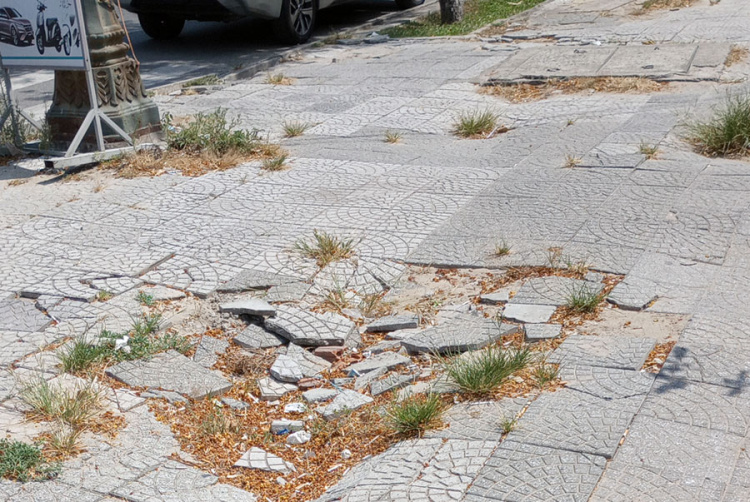
Sidewalks are among the most heavily used pieces of public infrastructure in any community. Residents rely on them every day for walking, jogging, accessing businesses, reaching schools, and connecting to transit systems. Yet despite their importance, sidewalks are often overlooked until someone trips, falls, or files a complaint.
Regular sidewalk inspections help municipalities identify hazards early, prioritize repairs, reduce liability exposure, and improve accessibility for all users. A structured sidewalk inspection program also demonstrates that a municipality is taking reasonable steps to maintain safe public infrastructure, which can become critically important in the event of litigation.
The Purpose of Sidewalk Inspections
Sidewalks deteriorate over time due to weather, tree root growth, freeze-thaw cycles, drainage problems, utility work, and general wear. Without routine inspections, minor defects can quickly become major hazards.
An effective sidewalk inspection program helps municipalities:
- Improve pedestrian safety
- Reduce trip-and-fall incidents
- Identify accessibility barriers
- Prioritize maintenance budgets
- Extend sidewalk service life
- Document infrastructure conditions
- Demonstrate due diligence
- Reduce legal exposure
Inspections are especially important near schools, downtown business districts, parks, senior housing, transit stops, and other high pedestrian traffic areas.
Conditions Sidewalk Inspectors Should Look For
Sidewalk inspections should focus on identifying conditions that create safety hazards, drainage problems, or accessibility concerns. Inspectors should document both the severity and location of each issue.
Vertical Displacement and Trip Hazards
One of the most common sidewalk defects is vertical displacement between adjacent slabs. Even small height differences can create trip hazards, especially for elderly pedestrians, children, and individuals using mobility devices.
Inspectors should look for:
- Raised sidewalk panels
- Differential settlement
- Heaved concrete caused by frost or tree roots
- Abrupt elevation changes
- Broken slab edges
Many municipalities use thresholds such as 1/4 inch, 1/2 inch, or 3/4 inch of vertical separation to determine when corrective action is required.
Cracking
Cracks can indicate aging pavement, subbase failure, root intrusion, or structural movement.
Inspectors should note:
- Longitudinal cracks
- Transverse cracks
- Corner breaks
- Spalling
- Widening cracks
- Cracks with vegetation growth
Minor cracks may only require sealing, while larger structural failures may require panel replacement.
Surface Deterioration
Concrete and asphalt sidewalks can deteriorate due to weathering, salt exposure, poor drainage, and repeated freeze-thaw cycles.
Inspectors should document:
- Surface scaling
- Spalling
- Pitting
- Delamination
- Loose material
- Eroded asphalt surfaces
Deteriorated surfaces can become slippery, uneven, or difficult to traverse safely.
Tree Root Damage
Trees provide major environmental and aesthetic benefits, but root systems frequently damage sidewalks.
Inspectors should watch for:
- Lifted sidewalk sections
- Root intrusion
- Cracked panels near trees
- Sidewalk narrowing caused by root flare
- Reduced accessibility clearance
Communities often face difficult decisions balancing sidewalk safety with tree preservation goals.
Drainage Problems
Poor drainage accelerates sidewalk deterioration and creates hazards during freezing conditions.
Inspectors should identify:
- Ponding water
- Low spots
- Erosion beneath slabs
- Blocked drainage paths
- Ice-prone areas
- Improper cross slopes
Persistent moisture problems can also weaken the underlying base material and shorten sidewalk lifespan.
Accessibility Issues
Sidewalk inspections should also evaluate compliance with accessibility standards and pedestrian usability.
Inspectors should review:
- Sidewalk width restrictions
- Excessive cross slope
- Excessive running slope
- Missing curb ramps
- Damaged detectable warning panels
- Obstructions within the pedestrian path
- Utility poles or signs blocking access
- Vegetation encroachment
Accessibility deficiencies can present both safety and legal concerns.
Vegetation Encroachment
Overgrown vegetation frequently narrows sidewalks and obstructs visibility.
Inspectors should document:
- Low hanging branches
- Shrubs encroaching into walkways
- Grass overgrowth
- Root-related cracking
- Reduced sight distance near intersections
Vegetation maintenance responsibilities may fall on either the municipality or adjacent property owners depending on local ordinances.
Utility and Construction Damage
Sidewalks are commonly damaged during utility work and construction activities.
Inspectors should look for:
- Poorly patched sidewalk sections
- Settlement over utility trenches
- Temporary asphalt repairs
- Construction debris
- Utility vault deterioration
- Improper restoration work
Utility cuts often become recurring maintenance problems if not properly repaired.
How Often Should Sidewalks Be Inspected?
Inspection frequency depends on the size of the community, sidewalk conditions, climate, pedestrian volumes, and available staffing. However, many municipalities benefit from establishing a formal recurring inspection schedule.
Common inspection approaches include:
- Annual inspections in high pedestrian traffic areas
- Inspections every 2 to 5 years for residential neighborhoods
- Seasonal inspections after winter freeze-thaw cycles
- Additional inspections following major storms, floods, or utility projects
- Complaint-driven inspections between scheduled surveys
Communities with older sidewalk networks or severe winters may require more frequent inspections due to accelerated deterioration. Some municipalities divide their sidewalk system into zones and inspect a portion each year to spread workload and budgeting over time.
The Importance of Documentation
Good documentation is one of the most important parts of any sidewalk inspection program. Inspection records help municipalities track deterioration trends, prioritize repairs, and demonstrate reasonable maintenance practices.
Inspection documentation should include:
- Exact location of defects
- Photos
- Measurements
- Severity ratings
- Recommended corrective actions
- Date of inspection
- Inspector name
- Repair status
Digital inspection systems with GPS mapping and mobile devices can greatly improve recordkeeping efficiency.
Sidewalk Liability Concerns
Sidewalk defects are a major source of claims against municipalities. Trip-and-fall lawsuits can result in significant legal costs, medical claims, settlements, and reputational damage. When a department is responsible for sidewalk maintenance, it is important to understand that liability often depends on whether the municipality knew, or reasonably should have known, about a hazardous condition and failed to take appropriate action.
Courts may examine:
- Whether inspections were performed regularly
- Whether hazards were documented
- How long defects existed
- Whether repairs were completed within a reasonable timeframe
- Whether warning signs or temporary protections were installed
- Whether maintenance policies were followed consistently
A municipality does not necessarily need to eliminate every defect immediately, but it should be able to demonstrate that it has a reasonable and defensible inspection and maintenance program. Inconsistent inspections or poor documentation can create significant challenges when defending claims.
Building a Proactive Sidewalk Program
A proactive sidewalk inspection and maintenance program helps municipalities move away from reactive complaint-based repairs and toward long-term asset management.
Even modest inspection efforts can provide major benefits by:
- Identifying hazards before injuries occur
- Supporting budget planning
- Improving accessibility
- Extending infrastructure life
- Reducing emergency repairs
- Lowering long-term liability exposure
Sidewalks are one of the most visible public assets in any community. Keeping them safe, accessible, and well maintained is an important part of protecting both pedestrians and the municipality itself.