





Listed in Other Assets
One of the most common questions asked of highway and public works departments is, “Who is responsible for this?” In many cases, the answer seems straightforward. The municipality maintains the public road, while homeowners and property owners are responsible for their own private property and infrastructure. In reality, things are often far more complicated.
Highway departments regularly find themselves dealing with infrastructure, drainage problems, safety hazards, and property damage that technically fall outside their legal responsibilities. Yet many departments still choose to take action. Sometimes this is done to protect the traveling public. Sometimes it is necessary to protect the roadway itself. Other times it is simply the most practical and cost-effective solution. Strict legal responsibility and practical field operations are not always the same thing.
The Difference Between Legal Responsibility and Operational Reality
Municipal highway departments operate in the real world, where problems do not always stop neatly at property lines or right-of-way boundaries. A drainage issue on private property can flood a public roadway. A dead tree outside the right-of-way can still fall into traffic. A failed driveway culvert can wash out an entire shoulder or ditch line. In many cases, it may be easier, cheaper, and safer for the municipality to address the problem immediately rather than wait for property owners, insurance companies, attorneys, or courts to sort out responsibility. Public works departments also understand that residents often judge their local government based on responsiveness rather than legal technicalities. Small acts of assistance can go a long way toward maintaining positive relationships between municipalities and the communities they serve.
Driveway Culverts: A Common Gray Area
Driveway culverts are one of the best examples of this complicated relationship. In many municipalities, the culvert pipe beneath a driveway is considered the responsibility of the property owner. However, if that culvert becomes clogged or collapses, the resulting drainage problems may quickly affect the public roadway. Water can flood the road, erode shoulders, undermine pavement, or create icy conditions during winter. Rather than allowing a small problem to become a major infrastructure failure, highway departments may choose to clean, repair, or even replace the culvert themselves. In some cases, municipalities also standardize culvert materials and installation practices to ensure proper drainage throughout the roadside ditch system. A poorly installed private culvert can create long-term maintenance headaches for the town.
Trees Beyond the Right-of-Way
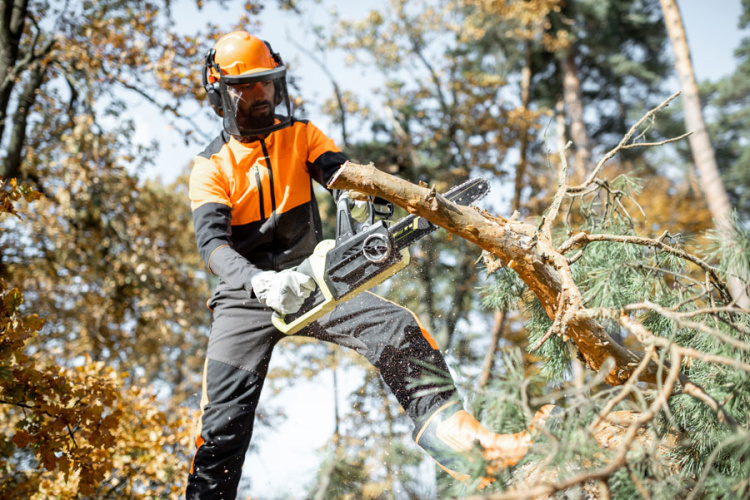
Another common example involves hazardous trees. A dead or leaning tree may technically stand on private property outside the municipal right-of-way, but if it threatens to fall into the roadway, strike utility lines, or block emergency access, highway departments may intervene anyway. Waiting for property owners to respond can sometimes create unacceptable risks, particularly after storms or during severe weather events. In emergencies, municipalities often prioritize public safety first and ownership questions second.
Mailboxes and Snowplows
Mailboxes are another classic source of confusion and frustration. In most cases, the mailbox itself belongs to the homeowner. Municipalities are generally not responsible for repairing mailboxes damaged by the force of snow thrown from plows during normal operations. However, if a plow physically strikes and destroys a mailbox, many departments will replace it as a gesture of goodwill even if local policies technically limit liability. Some municipalities maintain standard mailbox replacement programs simply because disputes over mailboxes can quickly escalate into larger resident relations issues.
Drainage Problems Rarely Respect Property Lines
Water has little regard for ownership boundaries. Blocked ditches, collapsed pipes, failing retaining walls, and eroding slopes on private property often have direct impacts on public infrastructure. A clogged ditch upstream may flood an entire road segment. A failing slope can undermine pavement. Sediment washing from private driveways can create dangerous roadway conditions. As a result, highway departments frequently perform work on or near private property to protect the public road system.
This work may include:
- Cleaning privately owned drainage ditches
- Stabilizing slopes near road embankments
- Installing temporary erosion control measures
- Repairing washouts
- Removing debris after storms
- Clearing sediment from drainage channels
- Regrading driveway entrances to improve runoff control
In many situations, ignoring the issue would eventually create far larger repair costs for the municipality itself.
Goodwill Matters
Not every action taken by a highway department is driven by liability or infrastructure protection. Sometimes the motivation is simply community goodwill. Public works departments often serve as the most visible face of local government. Residents interact with highway crews far more frequently than many other municipal employees. A small effort to help a resident can significantly improve public trust and cooperation.
Examples of goodwill work may include:
- Repairing lawn damage caused by snowplows
- Replacing damaged shrubs or fencing disturbed during roadwork
- Reseeding disturbed roadside lawns
- Assisting elderly residents during severe storms
- Clearing blocked driveway entrances after major snow events
- Helping restore access after flooding or fallen trees
These actions may not always be legally required, but they can strengthen relationships between municipalities and residents.
The Risk of Doing Nothing
There are also situations where failing to act may expose the municipality to greater liability than taking action. If a highway department becomes aware of a hazardous condition that threatens public safety and chooses to ignore it simply because it technically lies outside the right-of-way, the consequences can become far more serious if an accident occurs later. Municipal officials often must balance legal responsibility, public expectations, available resources, political realities, and risk management considerations all at the same time. That balancing act is rarely simple.
Every Municipality Handles These Situations Differently
Policies vary widely from one municipality to another. Some highway departments maintain strict boundaries regarding private property work, while others allow greater flexibility for safety and operational concerns.
Factors influencing these decisions may include:
- Local laws and ordinances
- Union agreements
- Insurance and liability concerns
- Budget limitations
- Available staffing and equipment
- Historical practices
- Political expectations
- Emergency conditions
What one town routinely handles may be completely prohibited in another.
Public Works Often Operates in the Gray Areas
To the public, roads may appear simple. In reality, highway departments constantly manage complicated gray areas involving ownership, maintenance responsibility, safety, drainage, liability, and public expectations. Many of the most important decisions made by highway departments are not about paving roads or plowing snow. They involve determining when it makes sense to step beyond strict responsibility boundaries in order to protect the public, preserve infrastructure, and maintain trust within the community. Sometimes fixing a problem quickly is simply the best solution, regardless of whose responsibility it technically was in the first place.